Blog

Home is Where the Hollow is

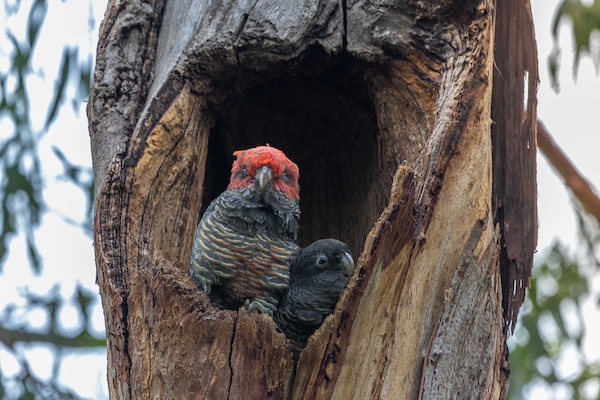
Tree hollows and fallen logs provide important homes for Australian wildlife, but they’re disappearing at an alarming rate. Trees are essential for native wildlife to find food, shelter and places to roost and nest. Hollow-bearing tees are especially important because many species use these hollows daily and seasonally to nest and raise their young.


In New South Wales, at least 174 animal species rely on tree hollows, including 46 mammals species, 81 bird species, 31 reptile species, 16 frog and countless invertebrates. Of these species, 40 are threatened and availability of hollow-bearing trees is crucial for their survival.


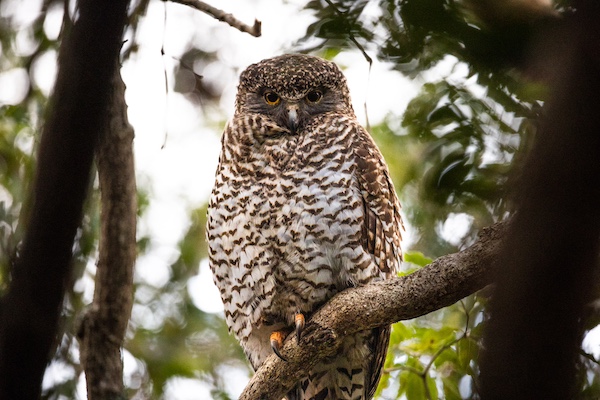
PowerfulOwl AlexPike DCCEEW 1


Tree hollows take hundreds of years to form but are quickly disappearing due to human activities like land clearing. They are not easily replaced. However we have the opportunity to act and make a difference.


Watch: ‘Home is where the Hollow is’


Let’s work together to protect the homes of the wildlife we love - how you can help;

  • - Keep and protect all trees with hollows, even if they are dead.
  • - Allow native vegetation to regrow and regenerate.
  • - Leave fallen logs and debris on the ground.
  • - Learn about the importance of tree hollows as homes and share this knowledge with your neighbours and community.
  • - Consider installing nest boxes as a last resort if there are very few natural hollows.
  • - Think twice about firewood collection. Make sure firewood is sustainably sourced.

Watch: 'landholders protecting tree hollows'


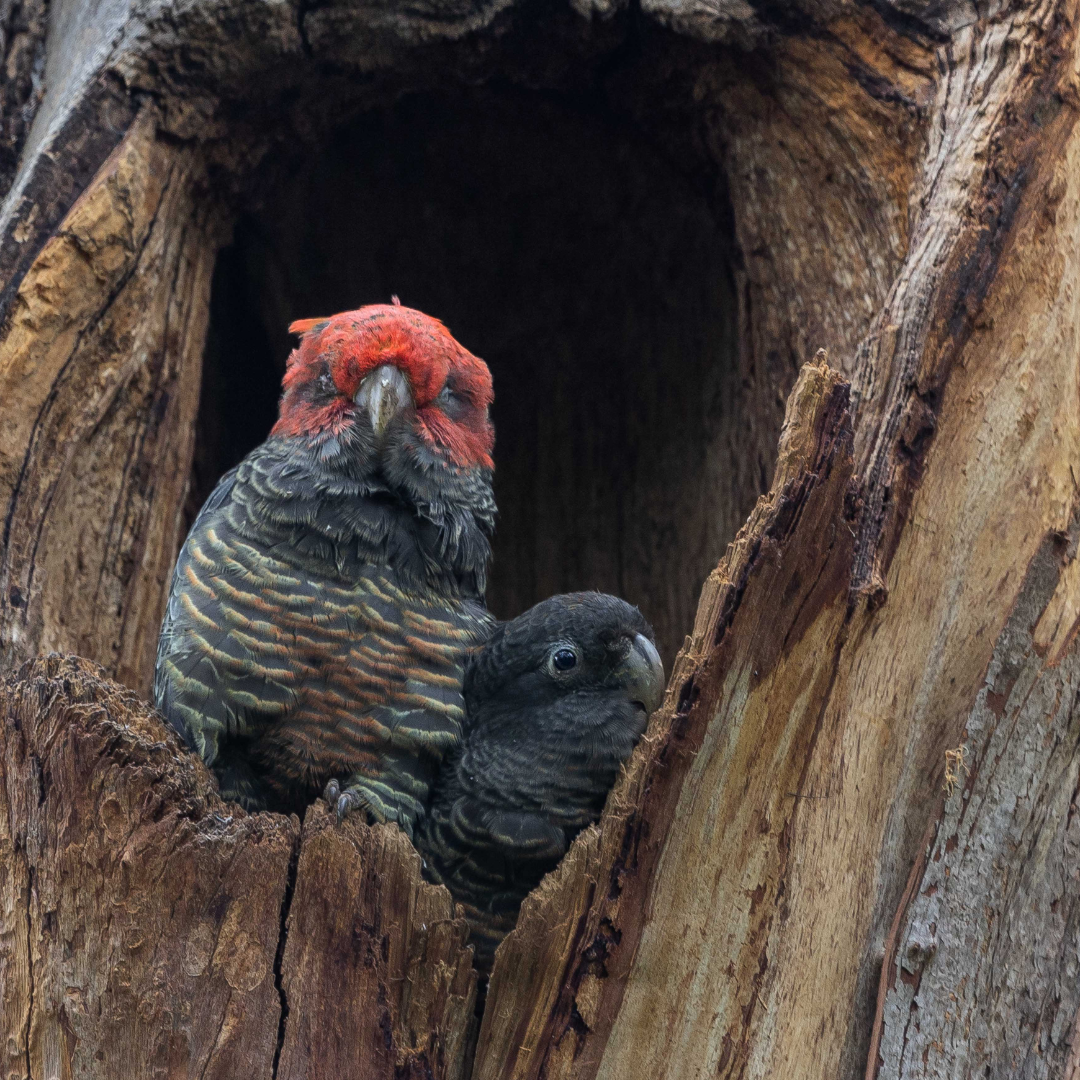
Gang Gang AlexPike DCCEEW 1


For more information see www.environment.nsw.gov.au/hollow-homes

Big Questions, Rich Insights: Highlights from Murrumbateman Landcare’s July Q&A Session

Murrumbateman Landcare Group’s recent July Q&A session drew a large and engaged audience – including a strong contingent from the Bowning Bookham Landcare group. With questions submitted ahead of time and a great panel of local experts – Jacqui Stol, Sue McIntyre, and Dave Jarrett (Weeds Officer with Yass Valley Council) – the event sparked a lively and informative conversation that stretched well beyond the scheduled time.


After the formal session, participants stayed on to mingle over drinks and nibbles, sharing ideas and swapping stories. It was clear that the appetite for practical knowledge and peer-to-peer learning remains strong across our region.

The session tackled eight wide-ranging questions – each deserving of a full workshop in itself – covering everything from ecosystems and weeds, to revegetation and the effects of climate change. Here are just a few highlights:


Ecosystem Types in the Southern Tablelands

The Q&A began with an overview of the region’s ecosystems, highlighting the critical conservation value of what remains. Less than 30% of the original Box Gum Grassy Woodlands still exist in the Southern Tablelands – a nationally significant figure given that just 5% remains intact across Australia. Meanwhile, about 50% of the original dry sclerophyll forest is still present, although the ground layer is now heavily modified.


One key takeaway: areas where forest and woodland species mix – the ecotones – tend to be particularly species-rich and are ideal for conservation efforts. Maintaining structural diversity, including patches of bare ground, is also important for supporting different plant species, although this may sometimes conflict with weed control or erosion management.


Designing Effective Windbreaks

Another practical discussion revolved around shelterbelt design. Rather than blocking wind entirely, the goal should be to slow it down by creating windbreaks with plants at varying heights. This helps avoid the creation of wind tunnels and reduces stress on pastures and stock.


Importantly, the panel advised against planting exotic conifers like Leyland Cypress, which can become problematic. Instead, landholders were encouraged to consult resources like Sustainable Farms’ Shelterbelt Guide and consider native alternatives, such as Callitris (native cypress pine).


Weed Management – What’s Changed?

Dave Jarrett provided valuable updates on weed legislation and local priorities. The term “noxious weed” is no longer used, and there is now a focus on “priority weeds”, with different levels of management required depending on their risk.


At the state level, weeds like Parthenium (sometimes found in organic chicken feed) must be eradicated immediately. Regional priority weeds, such as Hawkweed, are also targeted early. At the local level, problem plants include:

  • - Serrated Tussock – seeds remain viable for up to 15 years; effective spraying requires treating the whole plant, not just the edge. Think of it as “a bunch of spring onions” – with many individual shoots bundled together.
  • - Coolatai Grass, Sticky Nightshade, African Lovegrass, St John’s Wort, and Chilean Needle Grass were also flagged.

Protecting Native Forbs from Grazing

A question about protecting small native plants from grazing prompted some creative strategies. Jacqui shared that she sometimes chases kangaroos away at dusk to give recovering areas a break from pressure – though more systematic approaches were also discussed like maintaining fallen timber and rocks, ecological burns and grazing managment .


Climate Resilience in Revegetation

Finally, the panel tackled one of the biggest questions of all: how can we prepare for projected climate change when planning revegetation?


Key points included:

  • - Use Climate Ready plants from local YAN nurseries
  • - Choose sites carefully, considering soil fertility and grazing pressure
  • - In some cases, soil scalping may be useful to suppress exotic competition
  • - And remember: revegetation outcomes are always shaped by climate, grazing, and site conditions

Dive Deeper

This blog only scratches the surface. If you’re keen to read more – including full details of each question and the thoughtful responses from the panel – you can view the complete session notes here:

MLG Q&A July 2025 – Landcare Meeting Summary (PDF)


A big thank you to Murrumbateman Landcare Group for hosting such a valuable event, and to all those who contributed questions, insights and energy on the night. Events like these remind us of the power of community-based learning and the wealth of experience we have within our Landcare networks.


Written by Sarah McGrath, YAN Coordinator


NSW Landccare LEP Funding Acknowledgement Inline

Supporting Our Local Birdlife: Highlights from the Bird Life Pest and Threats Workshop

A perfect sunny winter’s afternoon brought together a group of keen landholders for the BirdLife Pest and Threats Workshop, eager to learn how to better support the birdlife in our region. A healthy bird population is a sign of a biodiverse, resilient landscape — and there are plenty of practical ways we can all help.


PestThreats 2   PestThreats 4


The silent threat of rodenticides

Shirali Dave from BirdLife Australia highlighted the devastating impact of second-generation rodenticides — products like RatSak and Talon — on native predators such as owls, eagles, falcons and quolls. These poisons accumulate in the bodies of rodents, which are then eaten by native wildlife, leading to secondary poisoning and death.


PestThreats 3   PestThreats 1


The good news? Safer alternatives exist. Traditional traps, newer electric traps, and first-generation rodenticides that work faster (and break down quicker) all reduce the risk to wildlife. You can read more about these options here.


Want to take action? Write to your Minister and email your council to help get dangerous rodenticides out of our community.

Watch: Learn about rodenticide poisoning (2.5 min video)
Watch: Night Calling – The story of Owl-Friendly Margaret River (35 min)


PestThreats 5   PestThreats 23d


Noisy miners, cats, and other challenges

Paul Russell from BirdLife Australia explored how native (but pest) species like the noisy miner are impacting woodland birds. These aggressive birds thrive in open, nectar-rich landscapes, chasing off smaller species.


PestThreats 6   PestThreats 7


Paul’s advice?

  • Plant dense, spiky mid-storey shrubs to provide shelter for small birds.
  • Choose native species with smaller flowers (like correas, small grevilleas, and hakeas) to discourage noisy miners.

Paul also spoke about the toll cats — both feral and domestic,  take on native wildlife. Pet owners can help by keeping cats in enclosed runs. Advocating for cat containment and curfews at a local level is another positive step.


PestThreats 18   PestThreats 19   PestThreats 20

Protection, food and nesting material plants


Foxes: a shared challenge

Leah Samson from Gunning District Landcare painted a sobering picture of fox populations in our region — an estimated 4.7 foxes per square kilometre around Yass. Foxes prey on native species and livestock and are difficult for any one landholder to control. 

The message was clear: landholders working together through coordinated programs like the integrated pest management initiative ‘Feral Fighters’ can reduce the populations of foxes and other feral animals. By coordinating the management of feral pests such as foxes, pigs, rabbits across neighbours landholders can make a real difference. If your area doesn’t yet have a feral control program, now’s the time to connect with your neighbours, Landcare group, or Local Land Services team.


PestThreats 9    PestThreats 13


Mess is best!

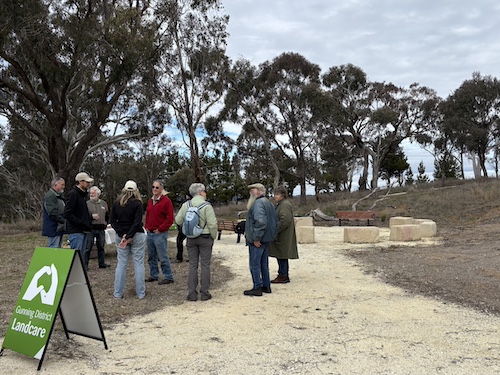
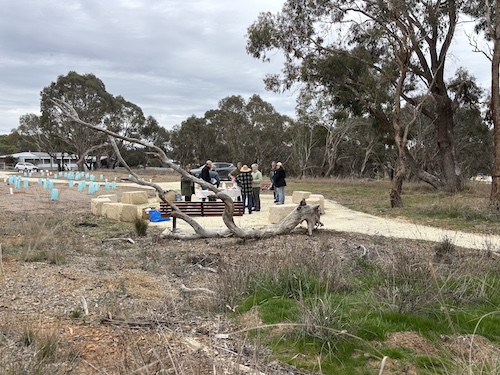
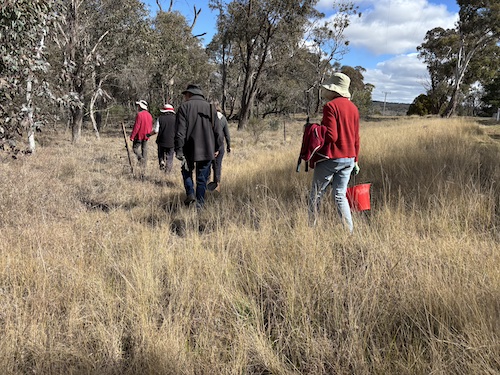
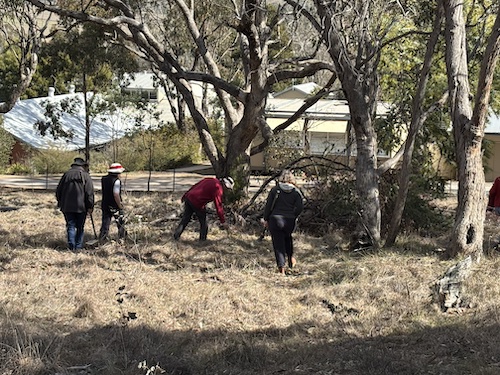
To wrap up the afternoon, Alison Elvin led participants on a guided walk, showcasing habitat features that support birdlife. From fallen logs and rocks to rough grasses and dense shrubs — all these messy bits of the landscape provide shelter, food, nesting materials and even medicines for birds.


PestThreats 11   PestThreats 10


Alison encouraged everyone to think about creating layers of vegetation and habitat stepping stones across properties — small patches of trees, shrubs, or even old fence posts every 70 metres can give birds refuge from predators.


PestThreats 14   PestThreats 21   PestThreats 16


A big thanks to Kate & Jeremy Wilson who opened up their property for the afternoon and provided the wonderfully rich environment filled with birdlife. A perfect place to host the discussion and thanks to all the landholders who attended.


PestThreats 24   PestThreats 22   PestThreats 15   


Find more resources:

Interested in a site-specific habitat restoration plan? Contact Shirali and Paul at bof-act-yass@birdlife.org.au


Written by Sarah McGrath, YAN local coordinator


NSW Landccare LEP Funding Acknowledgement Inline

Pulling on the Waders: Waterbug Survey Reveals a Healthy Snapshot of the Yass River

Across the Yass Valley, a dedicated group of volunteers regularly gather to test water quality at key sites—keeping a close eye on the health of our local waterways. These citizen science efforts are part of the Waterwatch program, supported by Ginninderra Catchment Group, and they play a vital role in helping us understand and protect our rivers.


WaterbugJune25 7    WaterbugJune25 5


Among the most exciting aspects of this work are the regular waterbug surveys, which involve taking a closer look at the small creatures that live in our creeks and rivers. Recently, Yolandi Vermaak, Waterwatch Coordinator from Ginninderra Catchment Group, pulled on her waders and headed out to Hattons Corner on the Yass River, one of our regularly monitored sites, to do just that.

Sampling involves collecting waterbugs from a range of habitats—riverbanks, sandy bottoms, and rocky areas—to get a diverse and representative mix. The bugs are rinsed into a bucket, then poured into flat trays for close inspection. Each tray is carefully combed through to identify and count the different types of water-dwelling invertebrates.


WaterbugJune25 3    WaterbugJune25 8


Why waterbugs? Because they’re excellent indicators of river health. Some species, like mayfly nymphs, are particularly sensitive to pollution and other environmental changes. Their presence in good numbers during this latest survey was a promising sign. Other species found included dragonfly nymphs, water boatmen, water skaters, and freshwater molluscs like basket shells—all contributing to a rich and balanced aquatic ecosystem. There were a few pests there too like the introduced gambusia (mosquito fish) which affects native fish and frogs.


WaterbugJune25 9   WaterbugJune25 2   WaterbugJune25 4   


WaterbugJune25 6   WaterbugJune25 1


WaterbugJune25 10


Together with the regular water testing done by our wonderful local volunteers, these waterbug surveys help paint a clearer picture of the condition of our rivers and streams. It’s encouraging to see such signs of health in the Yass River, but ongoing monitoring remains essential.


Want to get involved? Whether you're interested in testing water quality or exploring the world of waterbugs, we’d love your help! Contact our YAN Coordinator, coordinator@yan.org.au or Yolandi Vermaak, Waterwatch Coordinator, waterwatch@ginninderralandcare.org.au to learn more about becoming part of this grassroots science effort. It’s a hands-on way to care for our environment—and a great excuse to get your feet wet for a good cause.


Written by Sarah McGrath, YAN Coordinator & Waterwatch Volunteer


Follow on Facebook