Blog

Weed Wins at Yass Gorge

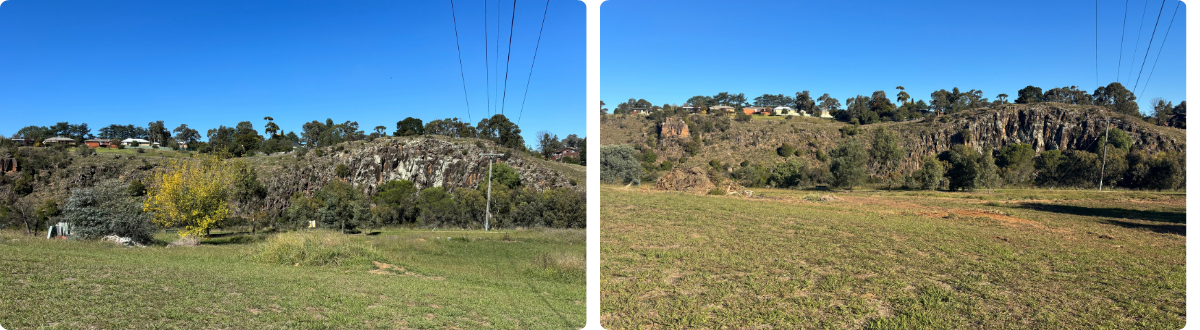
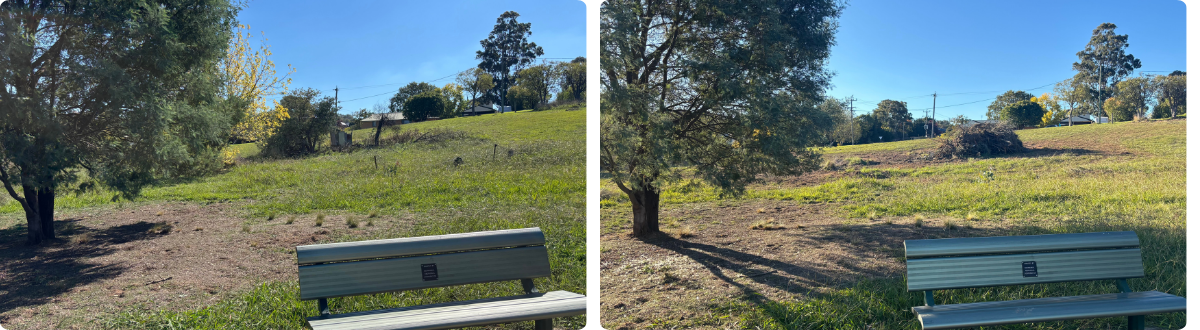
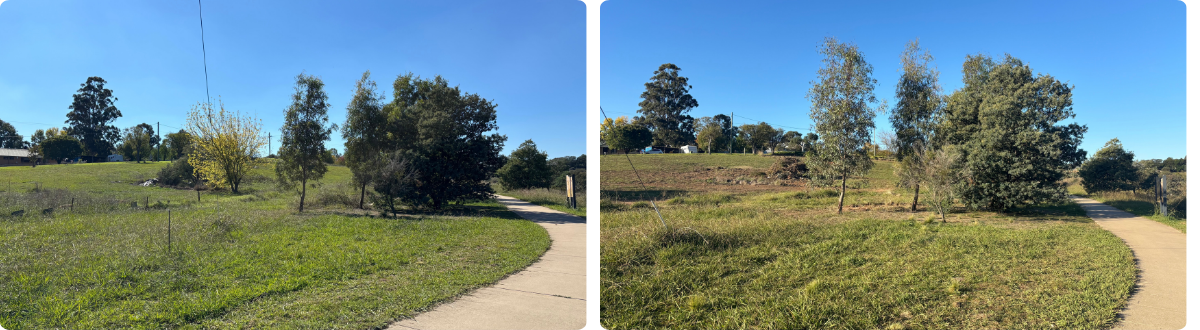
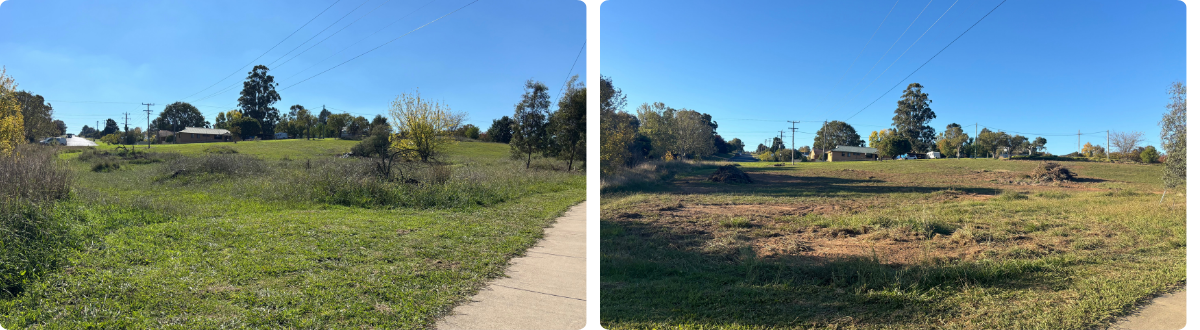
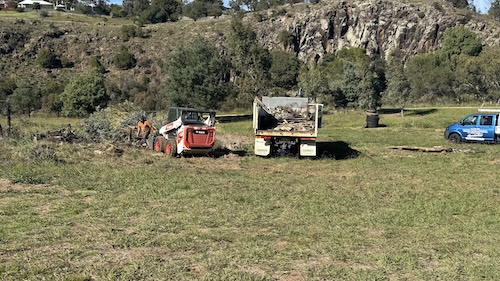
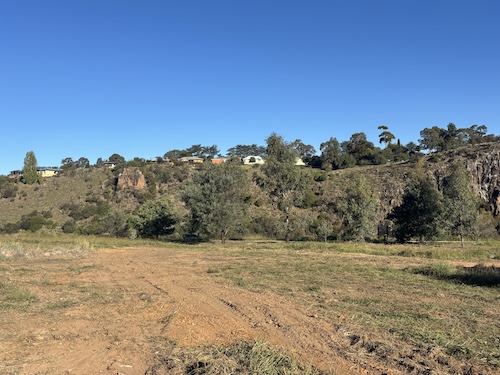
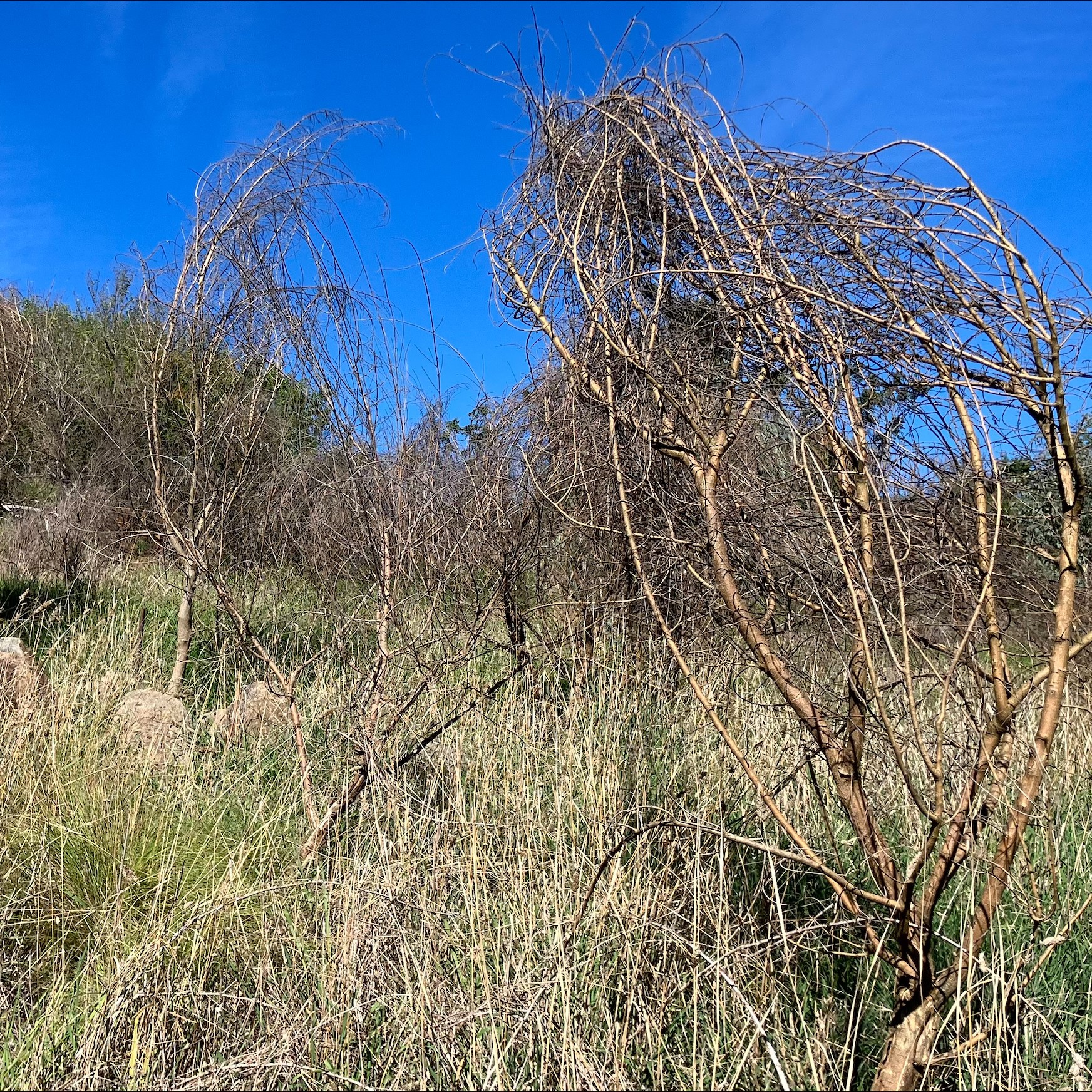
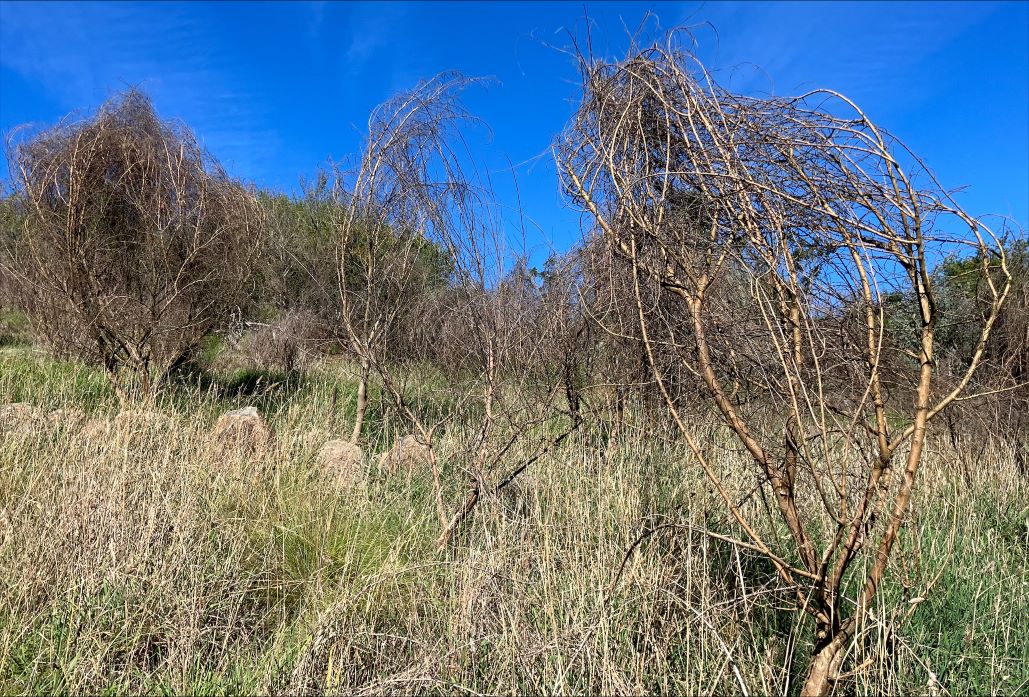
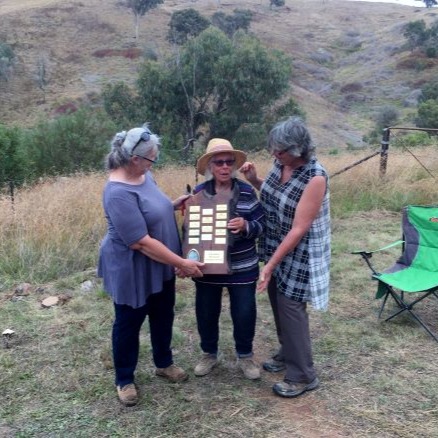
Founding member of Friends of Yass Gorge, Ross Webster, has recently shared some encouraging photos that show how much progress is being made in the ongoing fight against woody weeds at the Yass Gorge. 


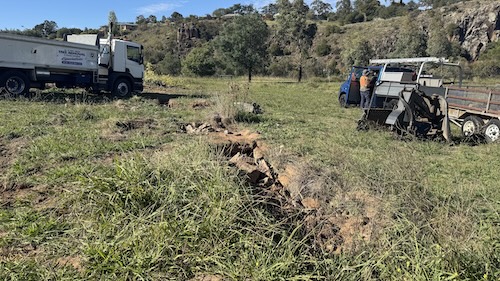
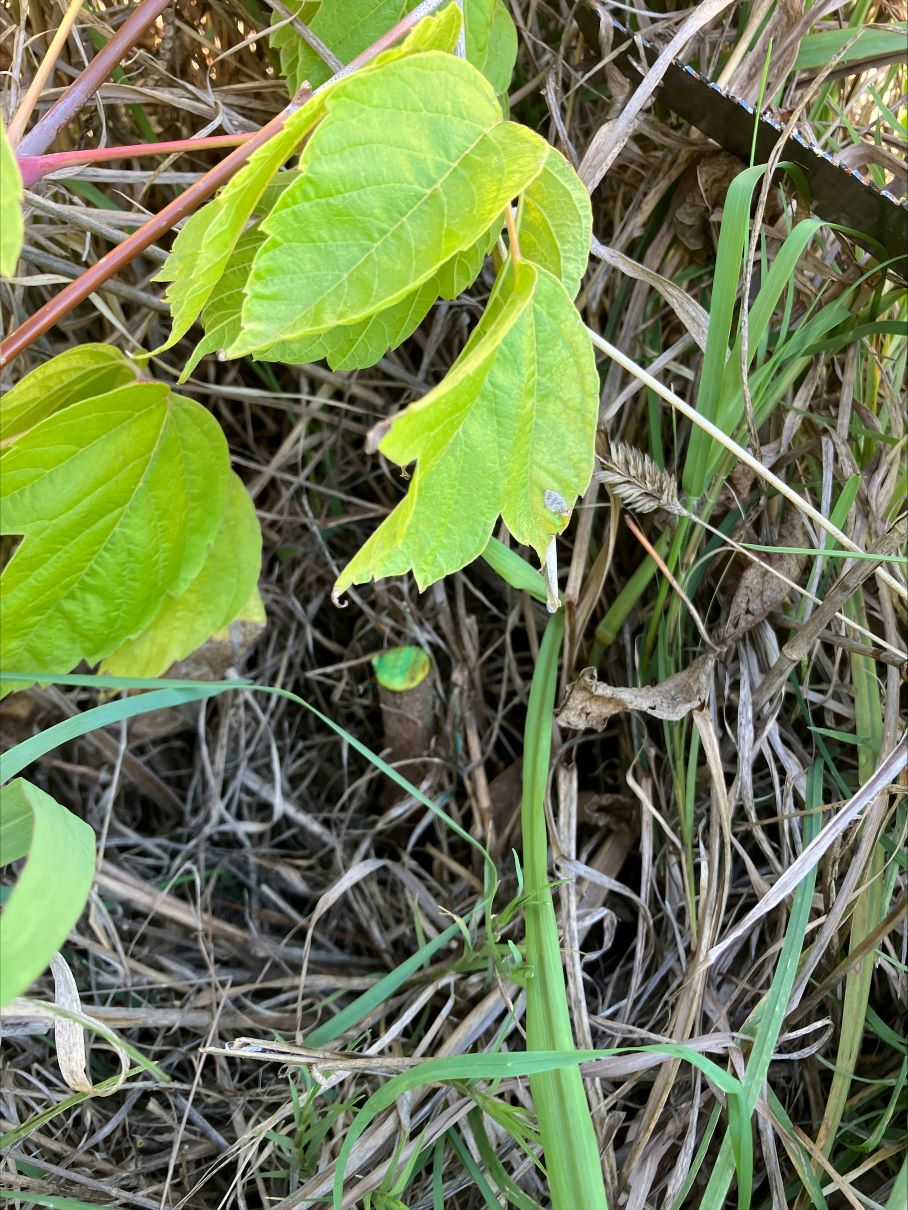
Working closely with Yass Valley Council, the Yass Gorge Committee has achieved some impressive results. Several lucerne trees (Chamaecytisus proliferus) have been successfully sprayed and killed, helping to reduce competition with native vegetation. On top of that, more than two hundred Box Elder trees (Acer negundo) have been cut and painted along the river - a major step forward in riparian restoration.


Blog Weed Wins 2026 1 Header

 Effective control of Tree Lucerne at Yass Gorge 


Why is controlling these weeds important? Lucerne trees spread aggressively. They produce large volumes of seed, thrive in disturbed sites and can alter soil fertility in ways that disadvantage native plants. Box Elder, on the other hand, is a fast‑growing and highly invasive along riparian areas. Once established, it can crowd out native vegetation and degrade waterways through shading, erosion and oxygen depletion when their leaves drop in autumn. 


Blog Weed Wins 2026 2

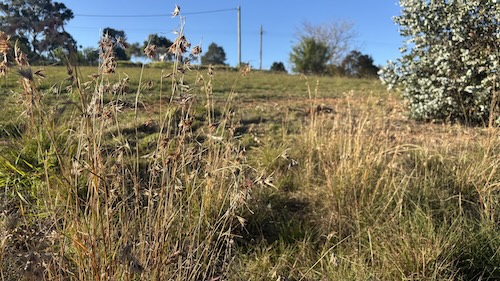
A young Box Elder plant freshly cut and painted 


The weed work doesn’t stop there. Recent control efforts have also targeted the long-term and persistent species such as blackberry, wild plum and cotoneaster, all of which can quickly overrun native plants if left unchecked.


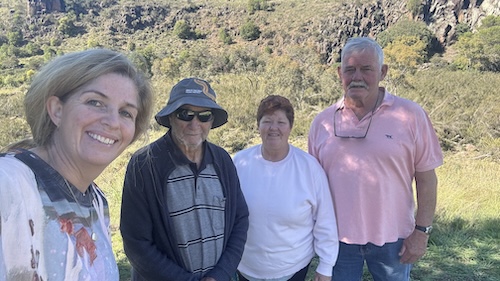
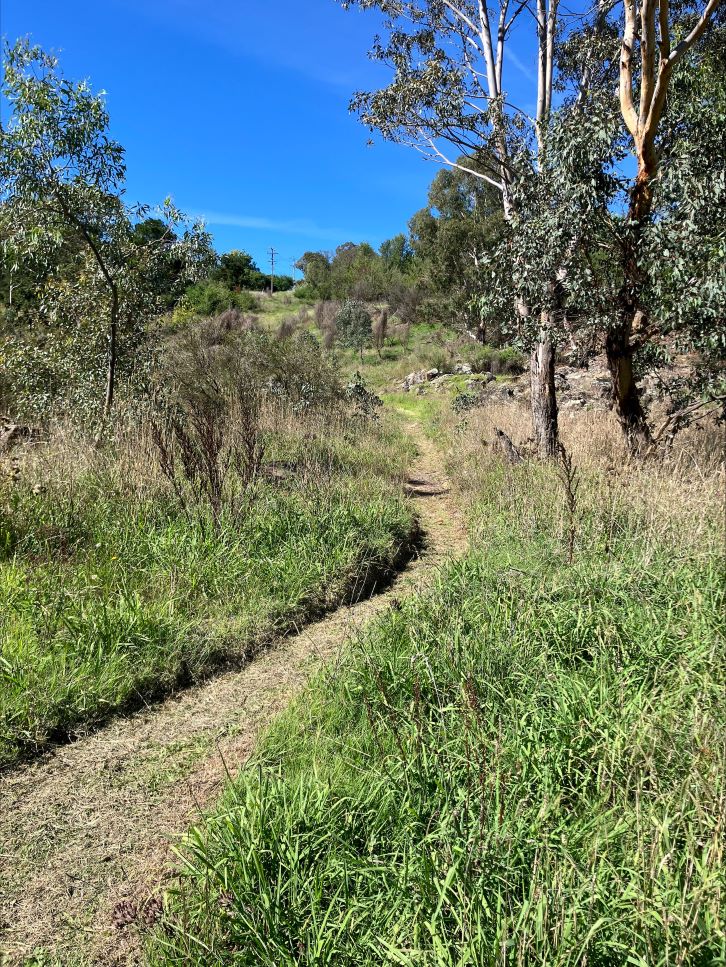
There’s good news for visitors too. Thanks to the help of Tom O’Dea, the main path entrances to this much‑loved recreational area have been trimmed and cleared, improving visibility and access for walkers and visitors.  


Blog Weed Wins 2026 3


It’s a reminder that caring for Yass Gorge is very much a team effort. Every sprayed weed and cleared path reflects hours of dedication from volunteers and partner organisations who care for this special place. Next time you visit the Gorge, take a moment to notice the changes. 


Written by Erin Brinkley, YAN Project Officer

Celebrating Local Nature Through Art: Yass Landcare Exhibition at Wildbark

Yass Landcare is delighted to announce a special selection of works from the Yass Landcare Environmental Art Competition is now being showcased at Wildbark Visitors Center at Mulligans Flat from 1 April to 31 May 2026. This exhibition brings together creativity and community, highlighting how local artists of all ages see and celebrate reptiles and amphibians in our landscape. 


Blog Wildbark Exhibition 2026 1 Header


Judged at the Yass Library in December 2025, the competition attracted an outstanding 98 entries, including young emerging artists from under 6 to 18 years, through to experienced creators in the Open section. Artists were invited to respond to the theme “Reptiles and Amphibians in Our Landscape and Environment,” and the resulting works range from detailed paintings to playful sculptures, reflecting the talent within our region and a strong interest in the local environment. 


Blog Wildbark Exhibition 2026 2


Visitors to Wildbark will be able to see the full range of artwork which will be on display until the end of May. Yass Landcare warmly encourages members of the Yass community and visitors from across the region to drop in and experience the remarkable creativity inspired by our local wildlife. 


Blog Wildbark Exhibition 2026 3


If you’d like to get involved in the Yass Landcare Environmental Art Competition this year, the 2026 theme will be exploring “Possums and Gliders in their Environment”, with entries open from 2nd to 25th  of November 2026.


The 2025 Yass Landcare Environmental Art Competition and current exhibition would not be possible without the support of Yass Landcare volunteers, the generous backing of Wildbark and the Mulligans Flat Centre, as well as Canberra Reptile Zoo. Special thanks to judges Roger Buckman, Sally Rasmussen and Sophie Baker, who carefully assessed entries for environmental connection, creativity and technical skill. 


Written by Erin Brinkley, YAN Project Officer

Below Your Knees: Community gathers at Bywong to explore weeds, grasslands and shared stewardship

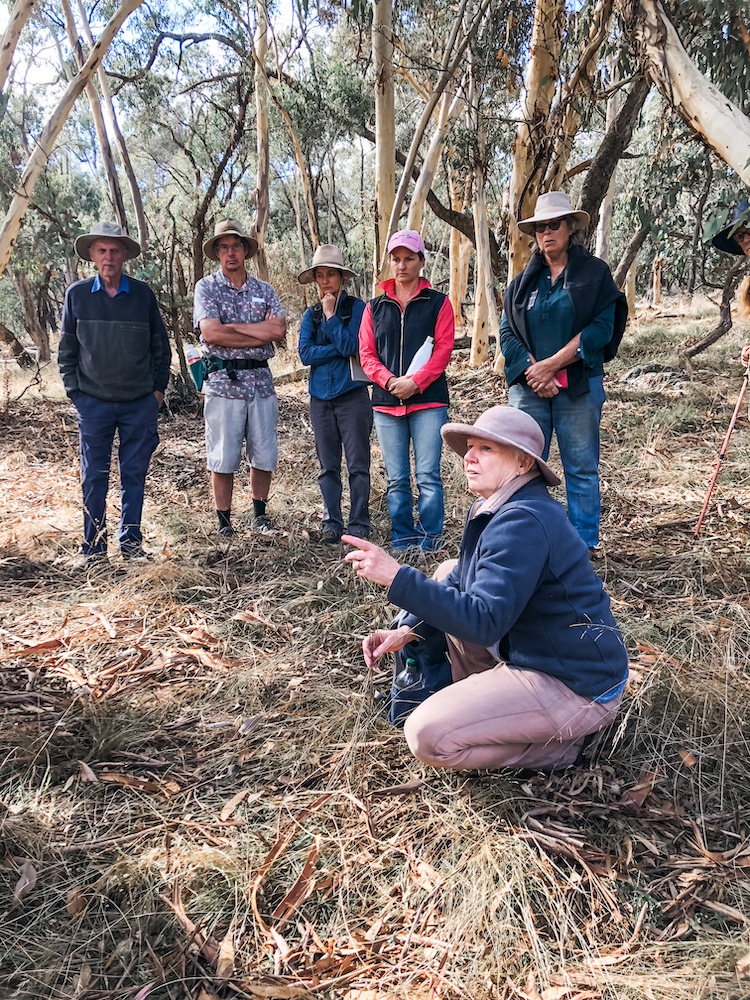
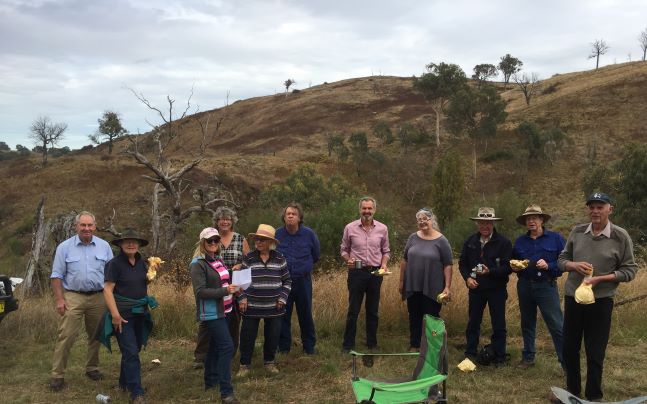
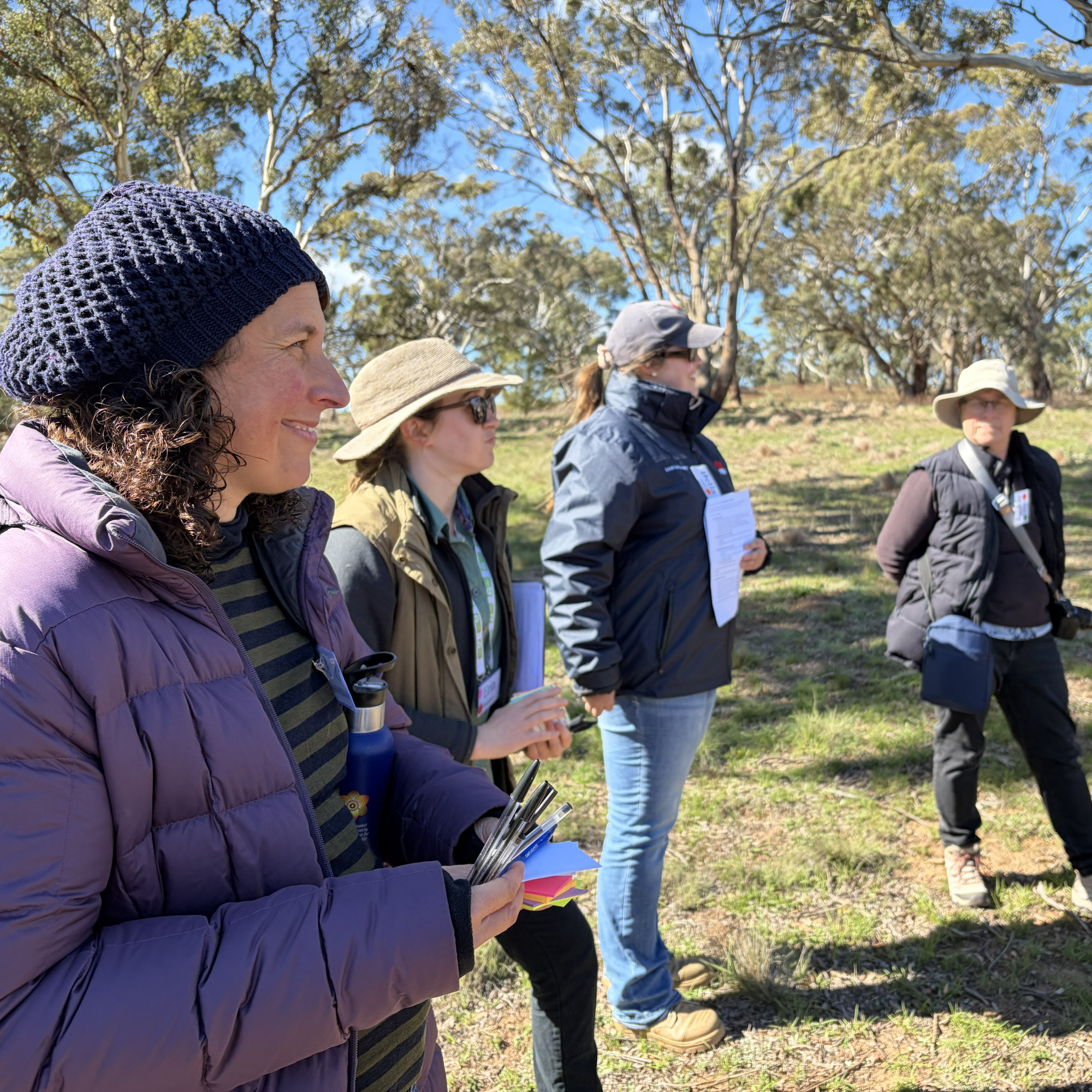
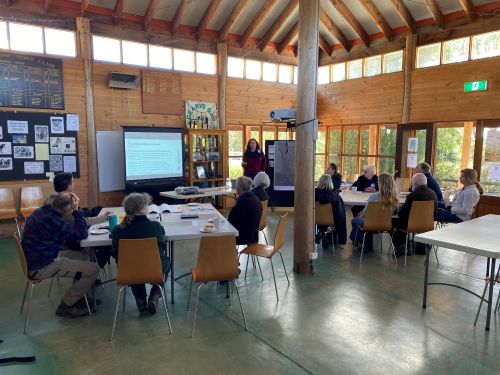
On a cool autumn morning, community members gathered at Bywong for the recent Below Your Knees weeds and grasslands gathering, an event that brought people together to learn more about the remarkable diversity and management of local grassland environments.


Below Knees Grasslands 260328 6140F   Below Knees Grasslands 260328 6161G


Despite the relatively small area visited, participants were struck by the abundance of both native and exotic species present, including several rare native grassland plants. Members of Friends of Grasslands had carefully identified and flagged a wide range of species, allowing attendees to closely examine plants and compare some of the common look-alikes that can challenge even experienced land managers.


Below Knees Grasslands 260328 6151A   Below Knees Grasslands 260328 6143B   Below Knees Grasslands 260328 6144D


The field observations highlighted how easily species can be confused in the paddock, with practical comparisons such as native wort alongside the introduced weed St John’s wort, and native Poa labillardierei compared with serrated tussock (native -yellow flags, exotic - white flags). Seeing these differences firsthand reinforced how important accurate identification is in making sound management decisions.


Below Knees Grasslands 260328 6145 2D   Below Knees Grasslands 260328 6148E


Local grasslands ecologist, Sue McIntyre spoke about the resilience and long-term value of native grasslands, particularly in the face of increasingly variable climatic conditions. She explained that perennial native grasslands, with their diversity of species, ensure there is always something ready to respond to changing seasonal conditions. While native grasslands may not provide the same bulk production as European-style pastures, they often offer greater consistency over time.


Below Knees Grasslands 260328 6174H   Below Knees Grasslands 260328 6159T   Below Knees Grasslands 260328 6162S


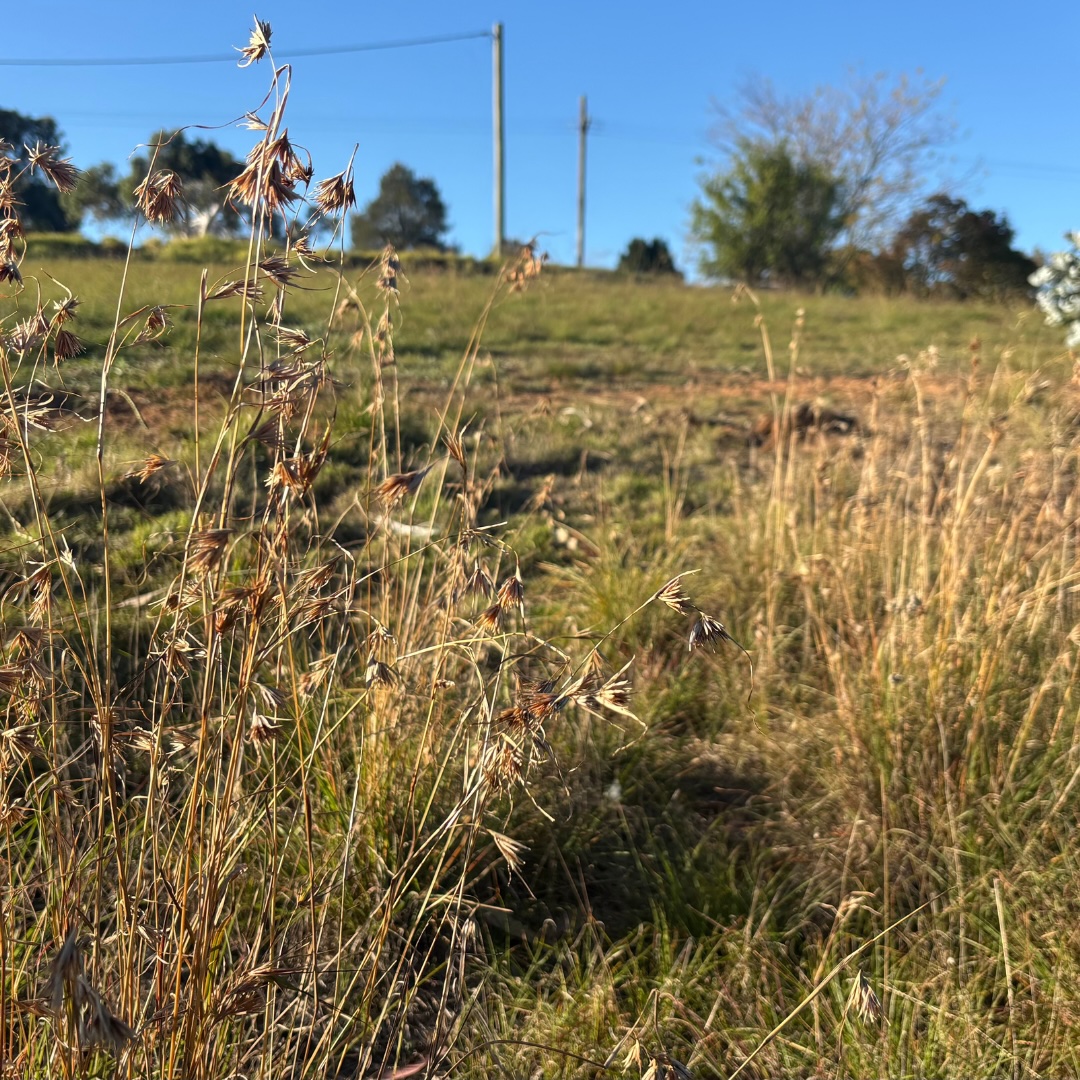
Sue also discussed how many native grasslands occur on better soils where where frost, topography and underlying geological conditions has historically limited tree growth, and how dominant species such as kangaroo grass, poa and wire grass require thoughtful management. Techniques such as heavy intermittent grazing, or fire can help maintain diversity, while larger tussock species provide vital ground protection and create conditions that support many other plants.


Andy Taylor from Local Land Services then guided the group through practical weed management principles, emphasising integrated weed management approaches. His key messages included correctly identifying plants, understanding weed lifecycles, mapping weed presence, and preventing seed set wherever possible.


Below Knees Grasslands 260328 6172J   Below Knees Grasslands 260328 6170


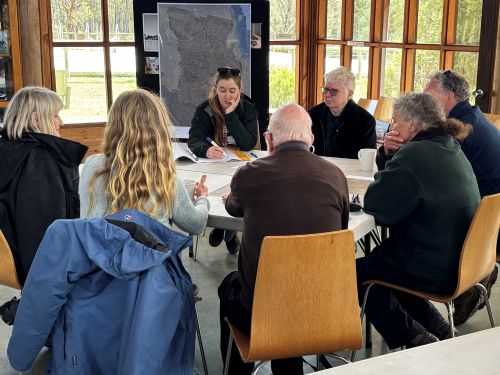
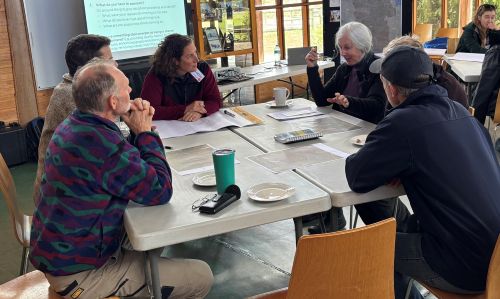
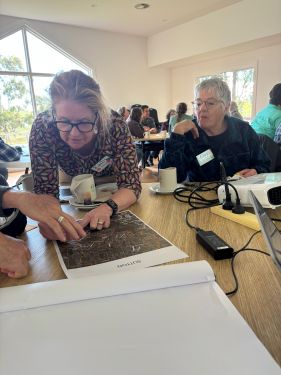
Participants also took part in a short mapping exercise designed to help landholders think about their own properties. The exercise demonstrated a simple way to identify weed outbreaks, bare patches, and other areas likely to need attention in coming seasons, giving attendees a practical tool they could readily apply at home.


Below Knees Grasslands 260328 6179I  Below Knees Grasslands 260328 6177K


A consistent theme across the day was that weed and grassland management is never a quick fix. Speakers stressed that it is an ongoing process, one that becomes part of a long-term land stewardship ‘lifestyle’. Importantly, when neighbours and communities work together, the burden becomes lighter and the results stronger.


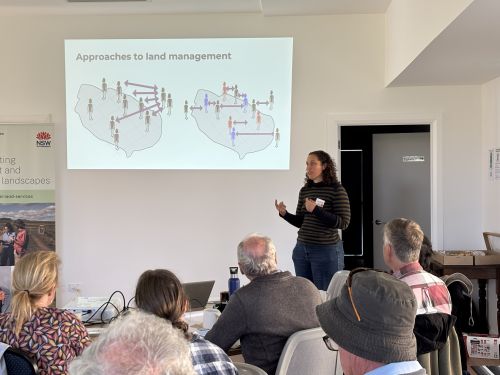
The afternoon session, led by Dr Sonia Graham from the University of Wollongong, shifted focus to the power of community-led action. Drawing on examples from other regions, Dr Graham shared inspiring stories of communities defining their own local goals; whether preventing serrated tussock from seeding in a district, restoring sections of riverbank, or protecting high-quality remnant vegetation.


Below Knees Grasslands 260328 6196R   Below Knees Grasslands 260328 6204P   


Her discussion acknowledged that weed management can sometimes be contentious, particularly where differing views exist around herbicide use or the role of species such as willows. Rather than beginning with conflict, she encouraged a “bright spots” approach: identifying and protecting areas that are already functioning well and building from those strengths. Working from common goals and brining landholders, local government and other organisations together in a integrated approach has really made a big impact.


Below Knees Grasslands 260328 6210M   Below Knees Grasslands 260328 6208O 


 Below Knees Grasslands 260328 6212Q   Below Knees Grasslands 20260328 1985N.jpg


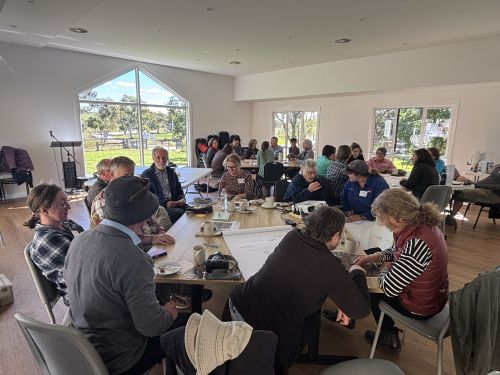
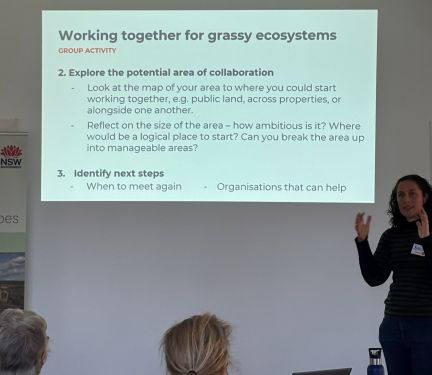
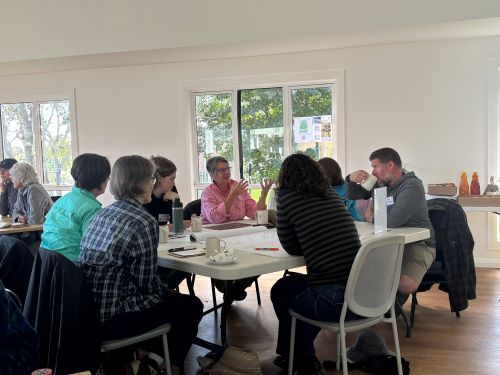
Participants then gathered in geographic groups to discuss meaningful goals for their own local areas. The conversations created space for neighbours to share what is already working, what challenges remain, and where further support may be needed. By the end of the day there was a clear commitment to keep meeting, continue the conversation, and strengthen local collaboration around grassland and weed management.


The gathering highlighted that caring for what is below our knees is not only about plants and weeds, it is also about building the community connections that make long-term landscape care possible


Written by Sarah McGrath, YAN Coordinator


Below Our Knees Native Grasslands Workshop Acknowledgement inLine


YAN Celebrating 30 years of Landcare in the Yass Valley

In 2026, the Yass Area Network of Landcare Groups (YAN) proudly marks 30 years of community-led care for our local landscapes. Since our beginnings in 1996, YAN has grown from a small group of passionate locals into a strong, connected network of Landcare groups working across the Yass Valley and surrounding districts.

This milestone is an opportunity to reflect on where we started, how we’ve grown, and, most importantly, to thank the volunteers and partners who have shaped YAN over three decades.


Our Beginnings: 1996

YAN was formed in 1996 by local landholders and community members who shared a simple but powerful idea: working together achieves more for the land than working alone. At a time when issues such as land degradation, declining biodiversity and soil health were becoming increasingly visible, the network provided a way to share knowledge, coordinate action and support emerging Landcare groups across the district. From the outset, YAN focused on collaboration, connecting people, properties and projects across boundaries, and giving local Landcare groups a collective voice.


A Growing Network of Landcare Groups

Over time, the network expanded as local communities came together around shared environmental goals. Each group brings its own character, priorities and strengths, while contributing to a united regional effort.

  •  
  • Murrumbateman Landcare Group joined the network as one of the region’s most active groups, supporting landholders through revegetation, sustainable agriculture and biodiversity projects in a rapidly changing peri-urban landscape.


  • Yass Landcare Group strengthened the network’s presence in and around the township of Yass, with a strong focus on community education, urban and rural connections, and stewardship of local waterways and reserves.
  •  
  • Bowning–Bookham Landcare Group brought together landholders across a diverse rural landscape, championing soil health, habitat restoration, Landcare on farms and practical, on-ground action.
  •  
  • Sutton Landcare Group added a strong peri-urban perspective, working with landholders experiencing growth pressures while maintaining a focus on native vegetation, wildlife and sustainable land management.
  •  
  • Friends of Yass Gorge joined the network with a dedicated commitment to protecting and restoring one of the region’s most visable natural assets, advocating for the Gorge’s ecological and cultural values.

Together, these groups form the heart of YAN, locally driven, volunteer-led and deeply connected to place.


GlendalePlanting 1   SuttonWeedWalk Group


Working at Scale: Regional Projects

One of YAN’s greatest strengths over the past 30 years has been the ability to deliver large, collaborative projects that no single group could achieve alone.

The Yass Habitat Linkages project demonstrated the power of landscape-scale thinking, connecting remnant vegetation across properties to improve wildlife movement and ecosystem resilience.


YHL B1YHL B2


More recently, Climate Ready Revegetation has built on this legacy, supporting landholders to plan and plant for a changing climate, using locally appropriate species and long-term thinking to future‑proof our landscapes.

These projects reflect YAN’s role as a connector: bringing together Landcare groups, landholders, funding bodies and technical experts to deliver lasting outcomes for biodiversity, water and soils.


250303 CRRTrialFeildDay 6   CRR Video Xanadu 2 smaller


Thanking Our Volunteers

At the centre of everything YAN has achieved over the past 30 years are our volunteers.

From committee members and project coordinators to landholders, students and community members who turn up to plant trees, monitor sites, attend field days or share their knowledge. Thousands of volunteer hours have gone into caring for our landscapes, strengthening our communities and inspiring the next generation of Landcarers.

YAN also acknowledges the many partners, funders and supporters who have worked alongside the network over the years, helping turn local ideas into on-ground action.


Looking Ahead

As we celebrate 30 years of the Yass Area Network of Landcare Groups, we do so with pride in our past and optimism for the future. The challenges facing our landscapes continue to evolve, but the values that founded YAN in 1996 remain the same: community, collaboration and care for our landscape.


Thank you to everyone who has been part of this journey. Here’s to the next 30 years of working together for healthy, resilient landscapes across the Yass Valley.


Share your stories

If you have any photos of stories of your involvement in Landcare over the last three decades we'd love to hear about them. Please get in touch with Sarah coordinator@yan.org.au


Written by Sarah McGrath, YAN Coordinator


NSW Landccare LEP Funding Acknowledgement Inline

Follow on Facebook